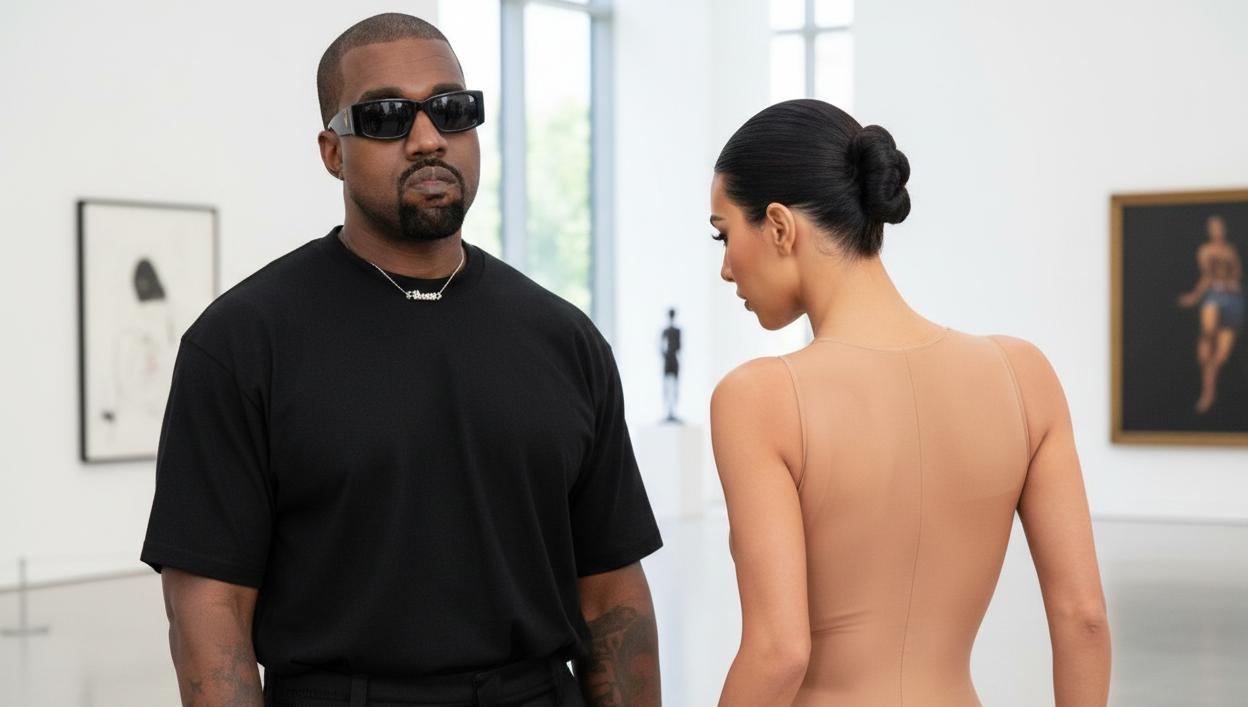
Bianca Censori Grammys
Bianca Censori Outfits: A Masterclass in Architectural Fashion
Beyond celebrity styling, Bianca Censori’s wardrobe presents a radical case study in applied architectural theory. Each ensemble functions as a deliberate spatial composition, merging minimalist rigor with profound conceptual intent. This analysis deconstructs the DNA of her iconic looks.
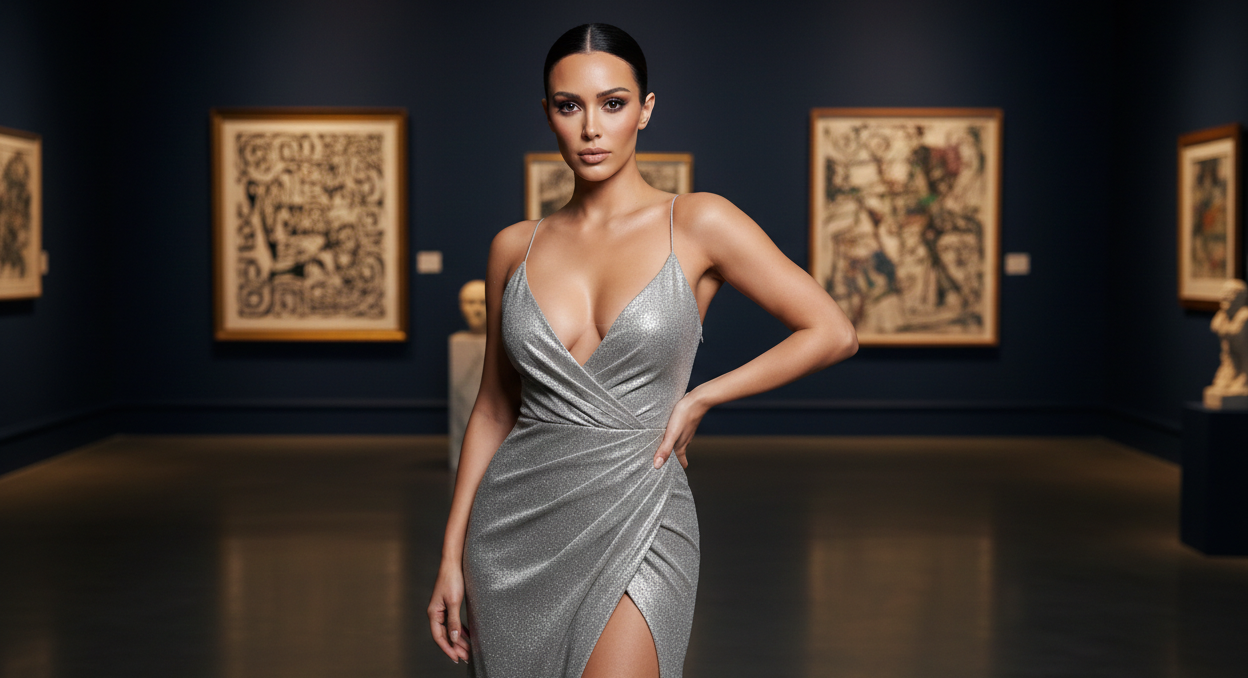
The Monolithic Statement
This look exemplifies the “architectural column” silhouette. The head-to-toe monochrome erases traditional segmentation of the body, creating a single, powerful form. The focus shifts entirely to texture, shadow, and the precise lines of construction, mirroring the principles of modernist facades.
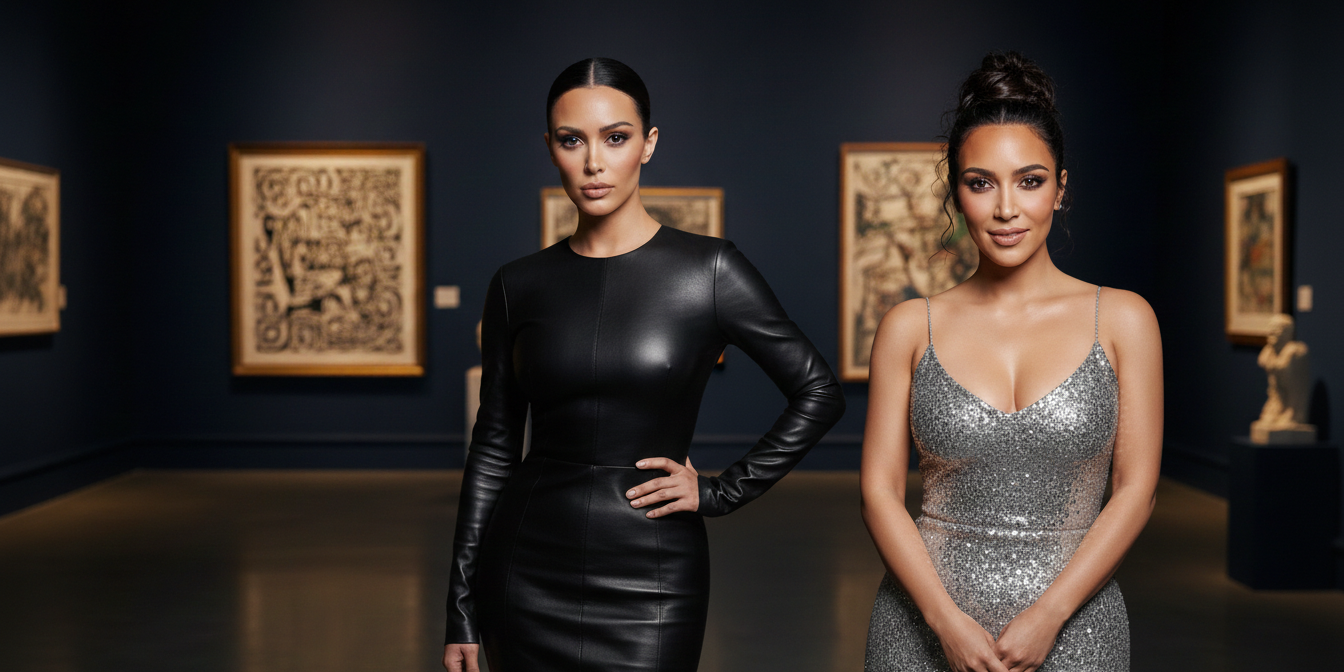
Texture as Narrative
In the absence of color and pattern, materiality becomes the primary language. This close-up reveals the intelligent dialogue between heavy, structured fabric and strategic sheer panels. It’s a study in controlled contrast, demonstrating how Censori’s outfits are built from the inside out, prioritizing substance over surface decoration.
The Foundational Philosophy: More Than Minimalism
Labeling Bianca Censori’s style as merely “minimalist” misses its conceptual depth. Her approach is better understood as “wearable architecture”—a direct translation of her professional training into a personal sartorial language. Every outfit answers a design brief centered on form, function, and spatial relationship.
Core Design Principles in Action
1. Silhouette as Primary Element
The overall shape is considered first and foremost. Whether columnar, geometric, or sculpturally voluminous, the silhouette communicates the core idea before any detail is perceived.
2. Radical Material Honesty
Fabrics are chosen for their inherent properties—weight, drape, texture—not for ornamentation. The construction and seams are often celebrated as integral design features, not hidden.
3. Strategic Reduction
This is an editing process, not an empty aesthetic. Every element (color, accessory, hardware) is scrutinized and removed unless it serves the central structural or conceptual narrative.
4. Body as Site
The human form is treated as the “site” for the garment-structure. The outfit is designed in relation to it, sometimes harmonizing, sometimes creating intentional tension, but always in dialogue.
Decoding the “Censori Effect” on Contemporary Style
The impact of Bianca Censori outfits extends beyond her personal wardrobe. It has ignited a broader cultural conversation about “quiet power-dressing” and intellectual fashion. Her consistent visual language challenges the fast-fashion cycle, advocating for a wardrobe built on a few, perfectly resolved pieces that communicate authority through understatement and exceptional cut.
Style Intelligence: Your Questions, Decoded

The Final Analysis: Lasting Impact of a Style Blueprint
Bianca Censori has engineered a style identity that is remarkably resilient to trend cycles. By rooting her public image in the timeless principles of architecture—structure, materiality, and spatial harmony—she has built a fashion persona that communicates intelligence, intention, and autonomy.
Her greatest contribution may be demonstrating that personal style can be a serious, conceptual pursuit. In an era of logo-mania and disposable trends, Censori’s wardrobe stands as a testament to the power of reduction, the elegance of idea-driven design, and the sophisticated statement that can be made by speaking softly in a visual scream.
Explore More Style Architecture